Brand Introduction
Pu'er Nandun Logistics Service Co., Ltd.
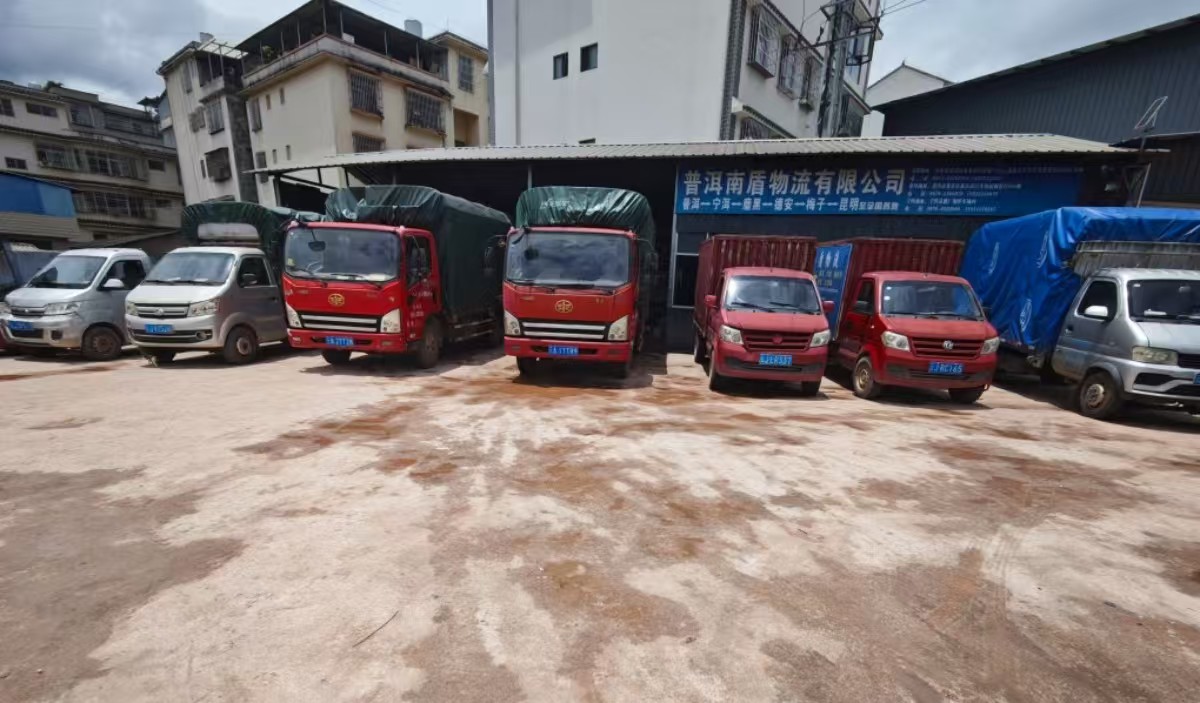
Founded in 2016, Pu'er Nandun Logistics Service Co., Ltd. is headquartered at No. 10 Ximahu Ring Road, Sinan Logistics City, Simao District, Pu'er City, Yunnan Province, with Ye Zhiwen serving as the person in charge. The company currently has a professional team of 30 people, with core businesses covering transportation services, warehousing services, and supply chain management. It is equipped with a modern transportation fleet including box trucks and flatbed trucks, as well as intelligent warehousing facilities. Adhering to the philosophy of "Quality First, Customer First," the company is
Learn moreSELLING POINT
Learn more →Logistics
CHAIN STORE
Direct Stores
Integrated design, supply chain, warehousing, stores, and online operations support travelers, companies, and partners.
View all →Franchise Phone
180 0052 3357
191 5881 9139

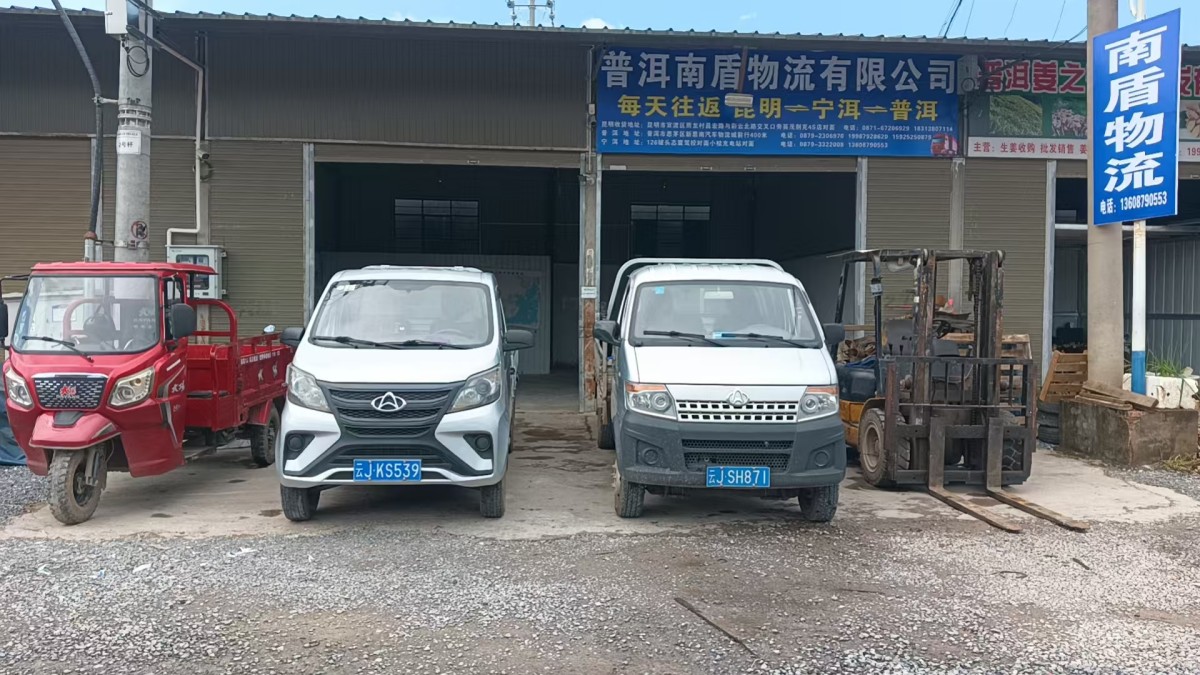
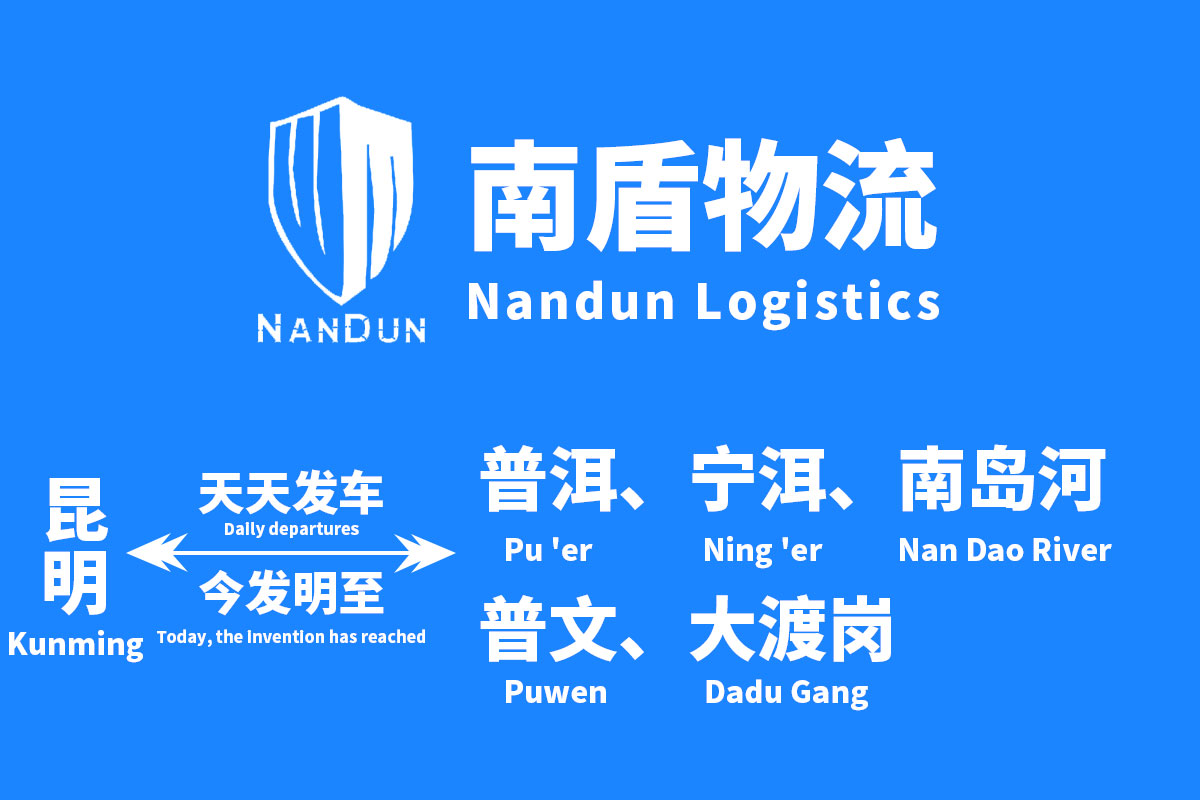
Ning'er Site
This article provides detailed branch information for Ning'er Site. The specific contact address of this site is located inside Jiaochangba Parking Lot, Ning'er County. The article also lists the contact phone numbers for this site, including the landline number 0879-3322008 and the mobile number 15925250879. This information is for reference by users who need to visit this site for business or inquiries, facilitating accurate access to location and contact details.
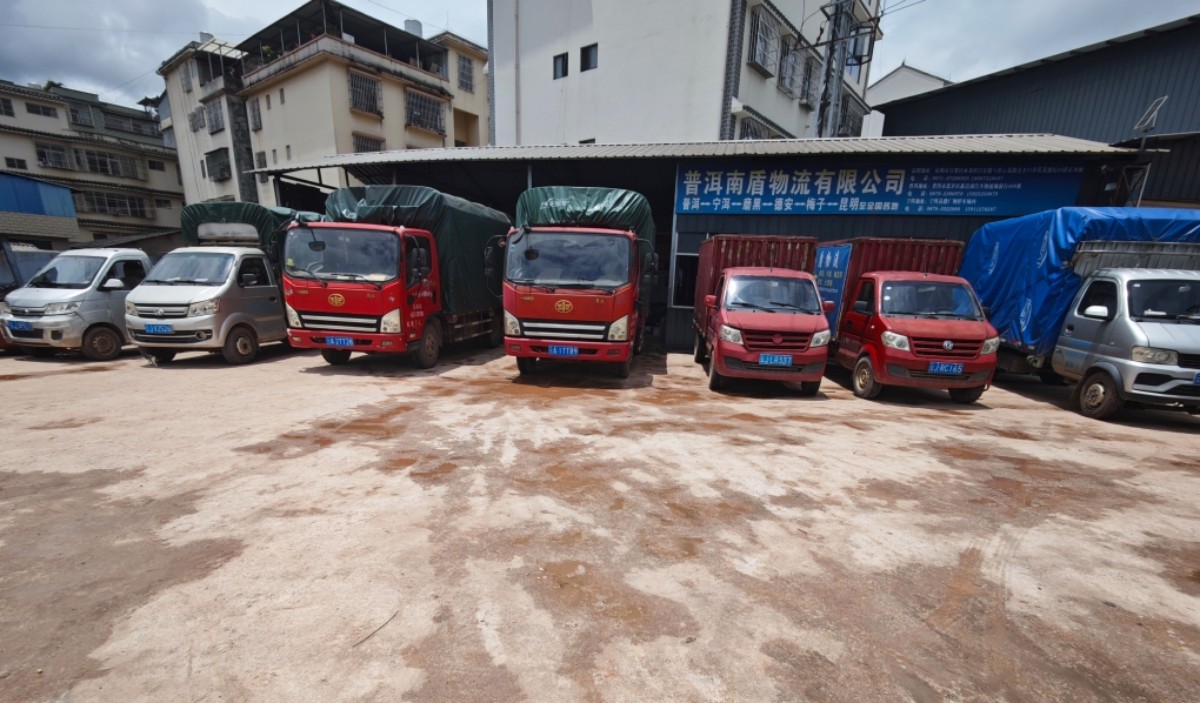
Pu'er Station
This article details the outlet information for Pu'er Station. The station is located 400 meters ahead of Xin Sinan Automobile Logistics City in Simao District, Pu'er City, mainly providing the contact address and phone numbers for the outlet. The article lists two contact methods: landline 0879-2306970 and mobile 15925250879, facilitating user inquiries and visits for business.
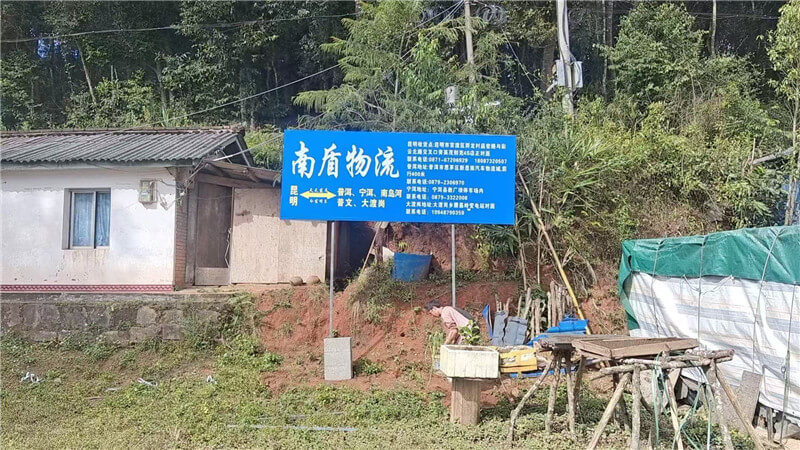
Dadugang Station
This article details the outlet information for Dadugang Station, covering its specific geographical location and contact details. According to the information provided, the station's address is opposite Juejiling Substation in Dadugang Township, and the contact phone number is 19948790359, aiming to provide accurate guidance and contact channels for users who need to visit the station for business.
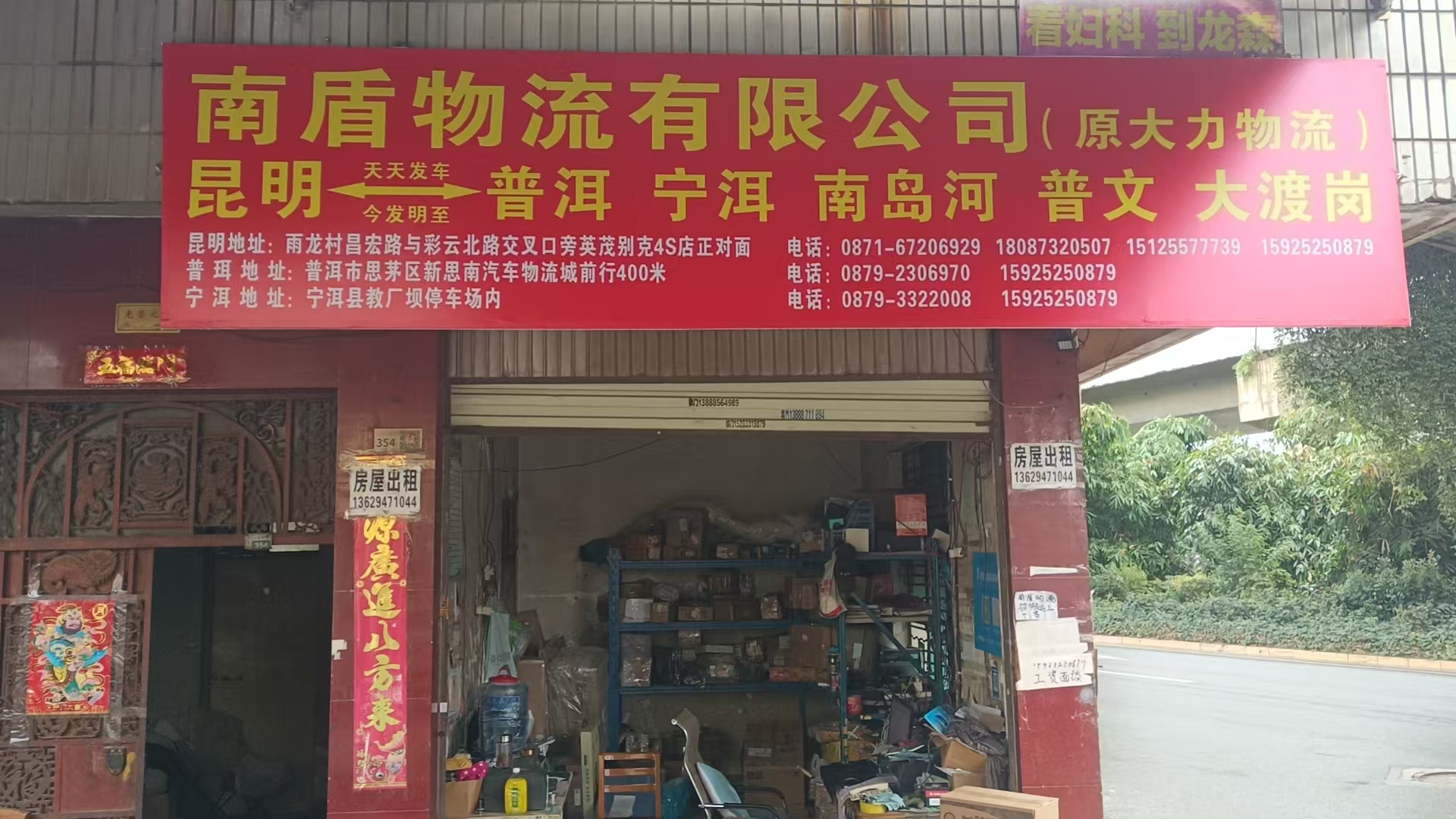
Kunming Site
This article introduces the outlet information of the Kunming Site, detailing the contact address and phone number of the site. The site is located next to the intersection of Changhong Road and Caiyun North Road in Yulong Village, Guandu District, Kunming City, specifically opposite the Yingmao Buick 4S Store. The provided contact numbers include 0871-67206929 and 18087320507, aiming to provide users with accurate geographical location guidance and contact information.
NEWS CENTER
News
News
NEWS CENTER
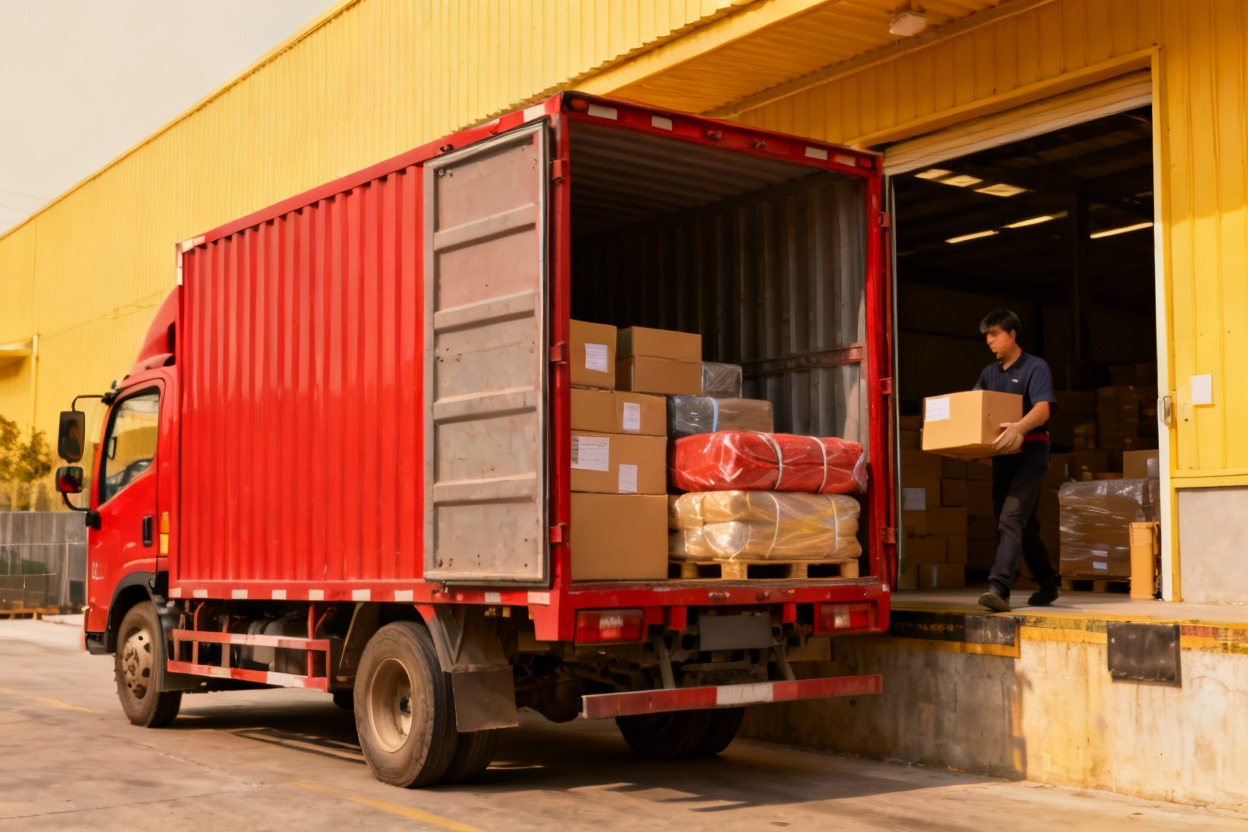
Urban and Rural Logistics Network Continuously Improved; Nandun Logistics Fills Gaps in Local Logistics Distribution Facilities in Pu'er
This article introduces the improvement of the urban and rural logistics network in the Pu'er region, focusing on how Nandun Logistics effectively solved the problems of missing urban and rural freight outlets and scattered trunk schedules by building a four-level distribution node system comprising a Kunming transfer station, a Simao hub, and rural outlets. The article analyzes the demand changes in the Pu'er logistics market, details Nandun Logistics' outlet layout and operating model, and discusses its positive value to the regional industry in terms of reducing circulation costs and stabil
View More →more25/08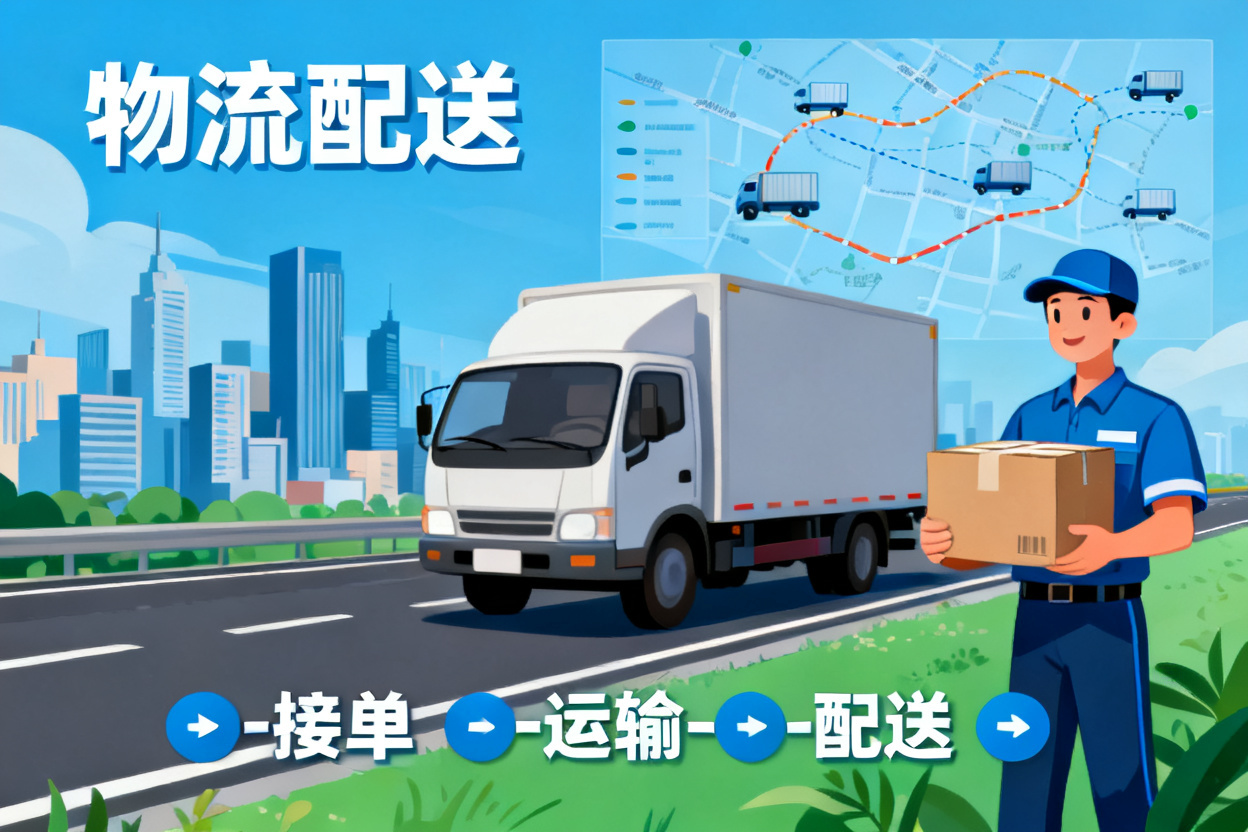
How to Choose Logistics Distribution for SMEs in Pu'er? Key Points for Screening Pu'er Logistics Dedicated Lines
Addressing the logistics selection challenges faced by local SMEs in Pu'er during daily shipping and replenishment, this article analyzes the misconception of focusing solely on freight rates while neglecting hidden costs. It details three core needs: outbound shipping, inbound replenishment, and township distribution. Furthermore, it proposes five screening dimensions, including offline physical premises, fixed trunk line schedules, township outlet coverage, cargo control standards, and communication response channels, aiming to help enterprises comprehensively evaluate logistics service prov
View More →more19/08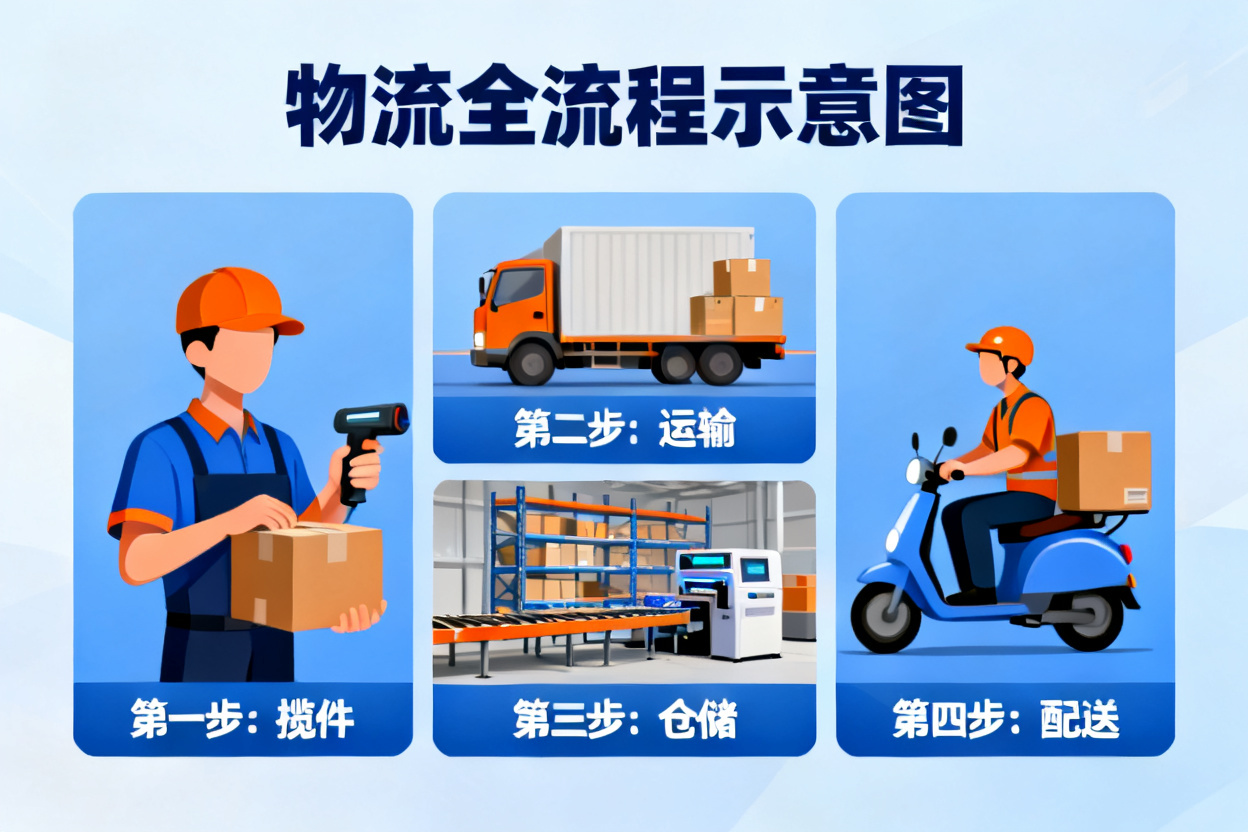
Advantages of Multi-site Logistics Delivery in Pu'er: A Detailed Explanation of Nandun Logistics' Urban-Rural Dedicated Line Operations
This article compares and analyzes the differences between single-route individual freight transport and multi-site dedicated line logistics in the Pu'er region, pointing out the limitations of individual operators in terms of sites, routes, sorting, and timeliness. Taking Pu'er Nandun Logistics as an example, it elaborates on the advantages of its multi-site layout in Kunming, Simao, Ning'er, and Dadugang. It introduces core capabilities such as hub consolidation and distribution, rural terminal coverage, fixed trunk line schedules, and unified after-sales service, providing reference suggest
View More →more12/08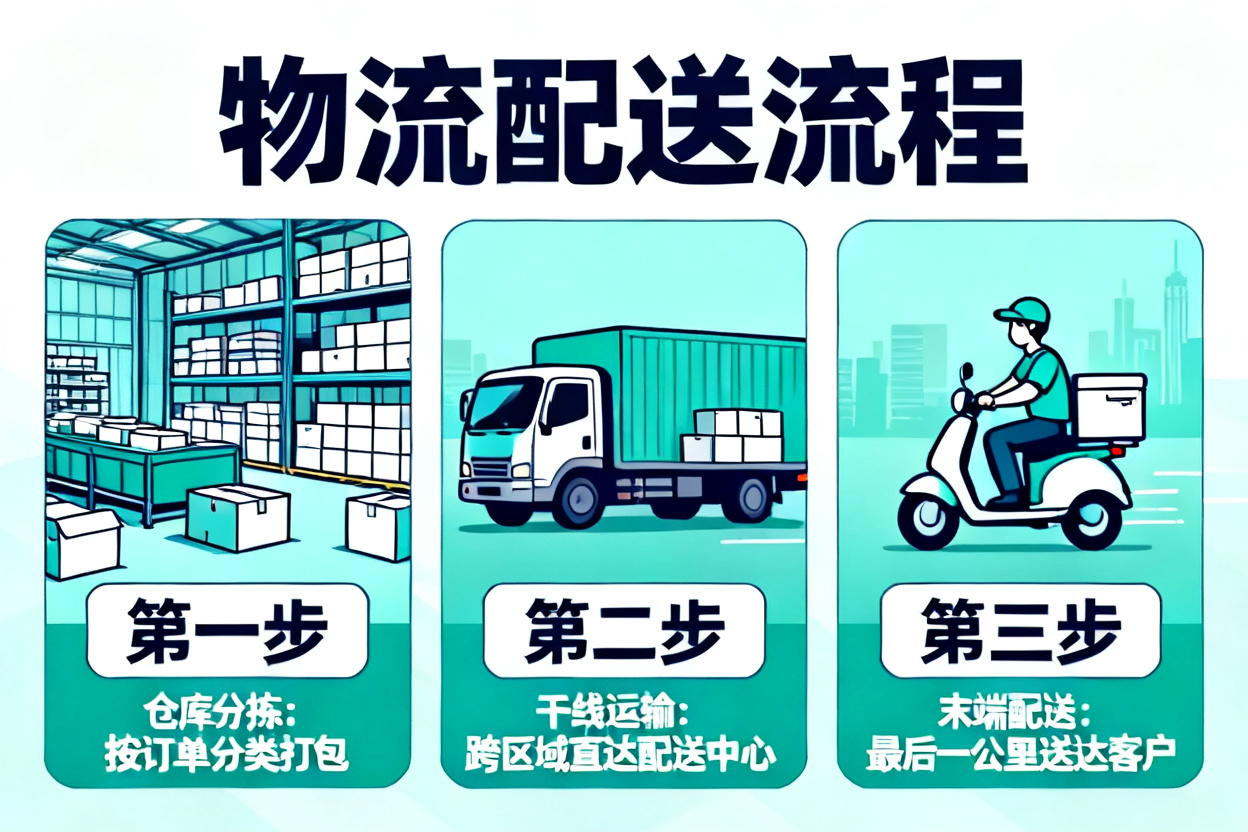
Current Status of Logistics Distribution for Pu'er Agricultural Specialty Products, Implementation Strategies for Nandun Logistics Dedicated Line Support
This article analyzes the current status and difficulties of logistics distribution for Pu'er agricultural specialty products, pointing out that scattered production areas, difficult loss control, fragmented routes, and opaque information are the main restraining factors. Taking Pu'er Nandun Logistics as an example, it discusses the advantages of the dedicated line outlet model in township collection, direct trunk line transport, category-based storage, and information synchronization. The article also proposes specific distribution supporting schemes for different agricultural goods such as P
View More →more04/08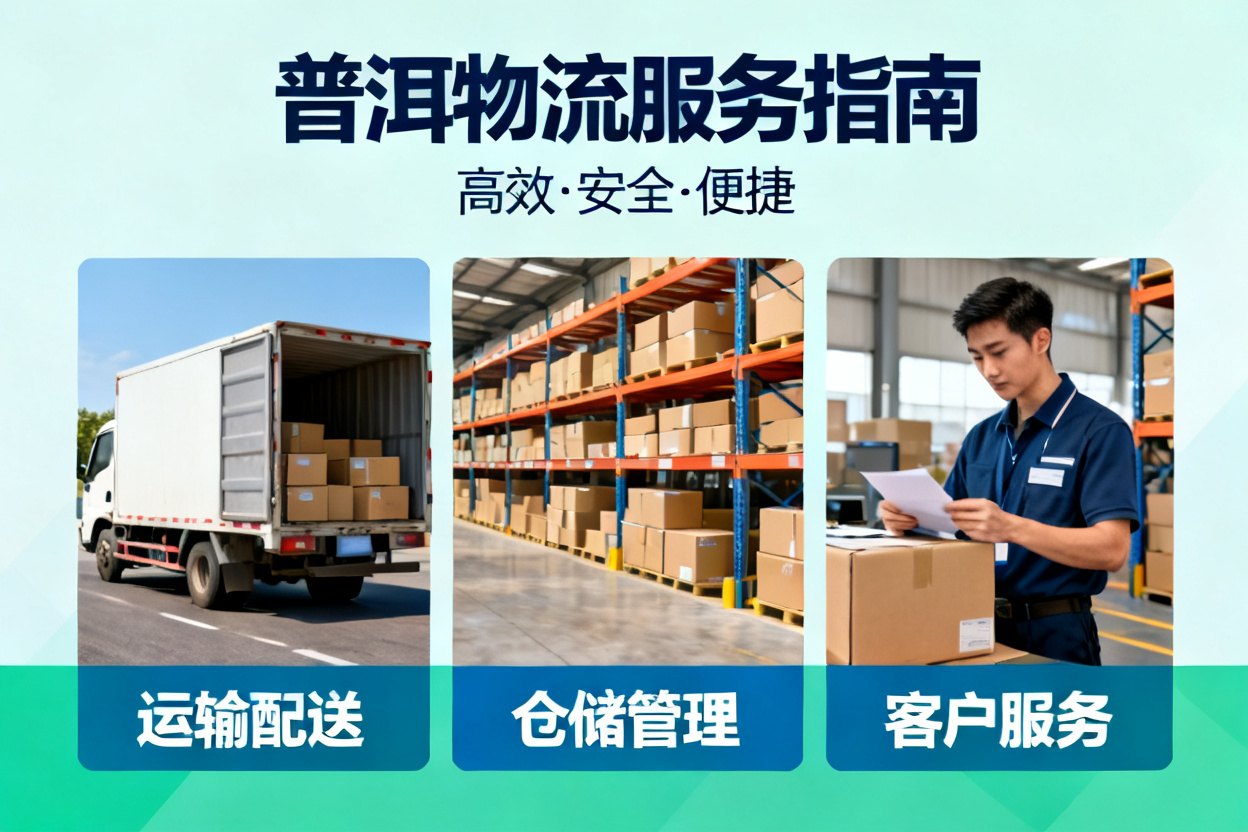
New Forces in Pu'er Logistics Lead the Trend of Efficient Transportation
This article explores the challenges faced by the logistics industry in the Pu'er region during its rapid development, such as incomplete infrastructure, disparities in informatization, and uneven service quality. The article focuses on a group of new logistics forces that have emerged locally; by optimizing logistics network layouts, introducing advanced technologies such as big data and the Internet of Things, and improving service quality, they have effectively addressed pain points like low transport efficiency and monitoring difficulties. These innovative measures have not only reduced lo
View More →more27/05
