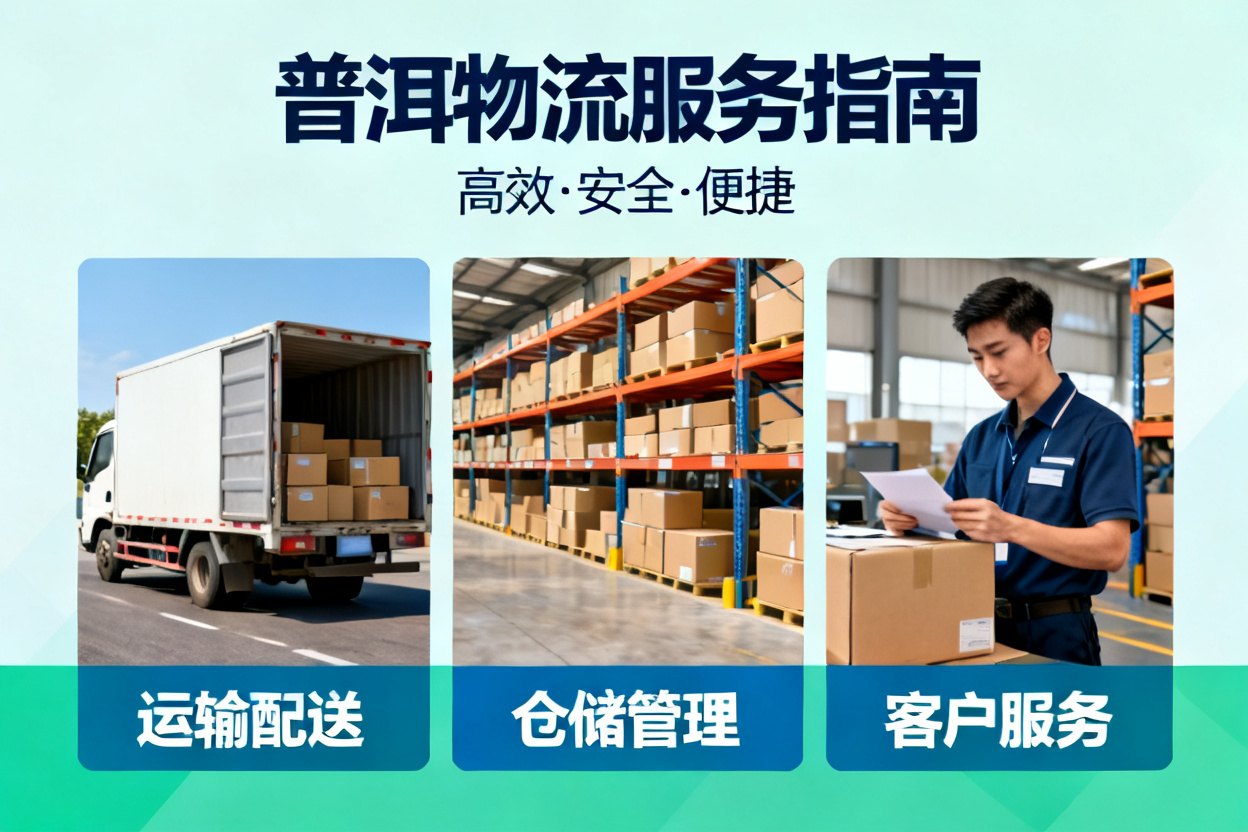
Pu'er Logistics Industry: Status and Challenges
In the process of economic development, the logistics industry in the Pu'er region is developing rapidly, yet it encounters numerous challenges. On one hand, logistics infrastructure still needs improvement; transportation in some remote areas is poor, affecting the timely transport and delivery of goods. On the other hand, there are disparities in the level of information technology among logistics enterprises, and information flow is not smooth, causing difficulties in cargo transportation monitoring and scheduling, making it hard to improve transport efficiency. Additionally, market competition is fierce, and some small logistics enterprises ignore service quality to reduce costs, causing many inconveniences to customers.
Emergence of New Forces in Pu'er Logistics
In recent years, a group of new logistics forces with an innovative spirit have emerged in Pu'er. These enterprises have gradually stood out in the logistics market by virtue of advanced management concepts, modern technological means, and keen insight into the market. They focus on enhancing their own competitiveness and are committed to building a convenient, intelligent, and more efficient logistics service system.
How New Forces Open a New Chapter in Characteristic Transportation
- Optimizing Logistics Networks: New force enterprises have conducted in-depth research on logistics demand in the Pu'er region, replanned logistics routes, and built a more rational logistics network. They integrate scattered logistics resources and establish large-scale logistics warehousing stations at key nodes to achieve rapid cargo distribution. For example, constructing modern logistics parks in transportation hub areas attracts numerous logistics enterprises to settle in, forming an industrial clustering effect and improving logistics operation efficiency.
- Technology Empowering Logistics: Actively introducing advanced logistics technology is a prominent feature of these new forces. They use big data analysis to predict cargo transportation demand, reasonably arrange transport vehicles and delivery times, and reduce empty load rates. Meanwhile, leveraging IoT technology to achieve real-time cargo tracking, customers can know the location and status of goods at any time via mobile apps, enhancing the transparency of logistics transportation. For instance, a new logistics force enterprise adopted an intelligent warehouse management system, realizing automatic storage and sorting of goods, which greatly improved warehouse operation efficiency.
- Improving Service Quality: New force enterprises are well aware of the importance of service quality to enterprise development. They strengthen training for logistics practitioners to improve service awareness and literacy. During the transportation process, they strictly follow transportation time commitments to ensure goods are delivered on time. At the same time, they establish a sound after-sales service system to handle customer feedback issues in a timely manner, enhancing customer satisfaction.
Significance and Outlook for the Pu'er Logistics Industry
The emergence of new forces in Pu'er logistics has injected new blood and development ideas into the local logistics industry. Their characteristic transportation model not only improves the overall efficiency of the logistics industry but also reduces logistics costs, playing a promoting role in the economic development of the Pu'er region. In the future, it is expected that more logistics enterprises will draw on the experience of these new forces to jointly promote the development of the Pu'er logistics industry towards a smarter and greener direction, enabling the Pu'er logistics industry to gain development space in the national and even international markets.
